
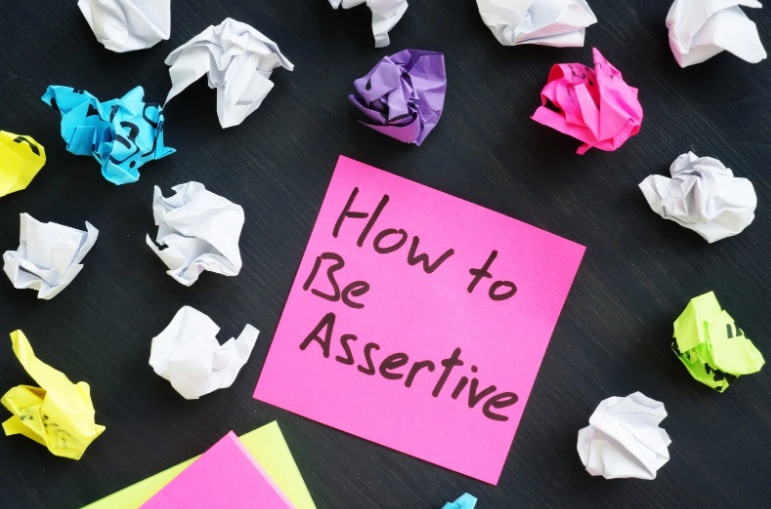
Assertiveness at Work: How to Develop It and Why It’s Important
Assertiveness is one of the key skills that influences professional success. It is the ability to express your needs, opinions, and boundaries in a clear and respectful manner. In the workplace, assertiveness is particularly important because it enables effective communication with team members, supervisors, and clients. The ability to assertively express oneself not only boosts confidence but also contributes to a better work atmosphere and improved efficiency.
What Is Assertiveness?
Assertiveness is the ability to express one’s own needs and opinions, as well as defend one’s rights, without violating the rights of others. Assertiveness means finding a balance between being overly submissive to others and behaving aggressively. An assertive person can express their opinion firmly while showing respect for others. It’s important that assertiveness is used in the context of mutual respect—it’s not about dominating others, but about skillfully taking care of one’s own needs and boundaries.
Why Is Assertiveness Important at Work?
- Better Communication
Assertiveness enables effective and clear communication. It makes it easier to express opinions, communicate needs and expectations, and resolve conflicts in a constructive way. An assertive person is not afraid to share their views, which makes teamwork more effective. - Increased Confidence
Assertiveness allows for a greater sense of control in professional situations. An assertive person isn’t afraid to express their opinions or oppose things they don’t agree with, which boosts their self-confidence. - Prevention of Burnout
The inability to say no can lead to overwork and burnout. An assertive person knows how to set boundaries, which helps manage their time and energy more effectively, reduces stress, and enables them to handle responsibilities more efficiently. - Respect in Professional Relationships
Assertiveness contributes to building relationships based on mutual respect. It not only makes it easier to express one’s own needs but also helps respect others’ needs. This improves the work environment and makes communication more open and transparent.
How to Become More Assertive at Work?
- Identify Your Boundaries
The first step in developing assertiveness is realizing where your boundaries lie. This means recognizing situations where you feel uncomfortable, overwhelmed, or frustrated. It’s important to know and respect your own needs and be able to define what works for you and what doesn’t. - Learn to Say “No”
Saying “no” politely but firmly protects your time and energy. At work, we often struggle with saying no because we don’t want to upset others. However, an assertive “no” doesn’t mean disrespect—it’s about protecting your boundaries. The key is to do this constructively by explaining your reasons. - Practice Active Listening
Assertiveness also involves the ability to listen to others. It’s helpful to give your full attention to the speaker, ask questions, and understand their point of view before expressing your own opinion. Assertiveness isn’t just about talking; it’s also about creating space for others to speak. - Use “I” Statements Instead of “You”
In assertive communication, it’s important to avoid blaming and accusing others. Instead of saying “You never deliver reports on time,” it’s better to say, “I have a problem when reports aren’t delivered on time because it delays our work.” This way of speaking allows you to express your needs without attacking the other person. - Boost Your Confidence
Building confidence is a key element of assertiveness. Practicing positive thinking, facing challenges regularly, and achieving goals step by step help build inner strength. The more confident we are in our abilities and worth, the easier it is to express our opinions assertively. - Use Assertive Communication Techniques
There are various techniques that help express yourself assertively. One of them is the “gratitude and request” technique, where you start the conversation by thanking someone for something and then make your request. This shows respect and makes the conversation more open.
Summary
Assertiveness at work is an essential skill that can improve communication, increase confidence, and help with stress and workload management. Being assertive doesn’t mean being selfish or domineering—it’s about striking a balance between expressing your needs and respecting the needs of others. By practicing assertiveness, we build better relationships at work, become more effective, and gain greater satisfaction from our professional lives.

For the employer
Headhunting
Specialist Recruitment
Executive Search
Specialist Outsourcing in Poland
Temporary Staffing in Poland
HR Consulting Poland
Sales Training in Poland
We have the KRAZ certificate
Registration number: 33640
© 2025 BERRY HR
website support: SEBprojekt.pl