
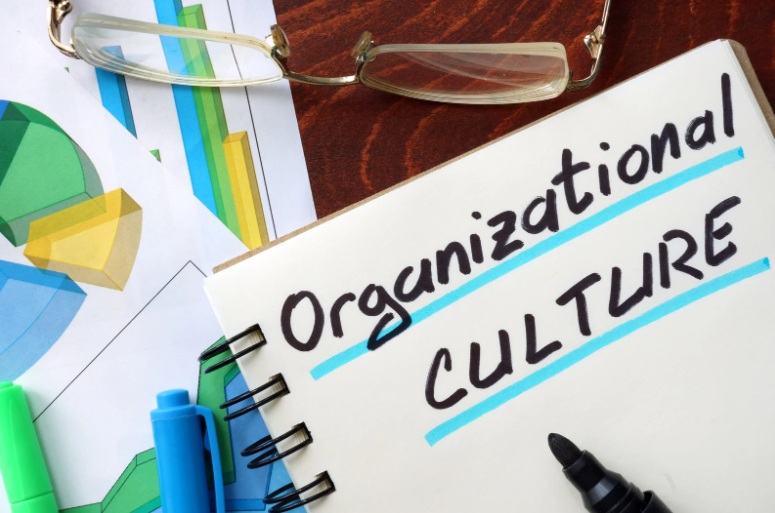
Organizational Culture in a Company: How to Define It and Effectively Develop It
Organizational culture is one of the most important elements that affect the functioning of any company. It defines the values, norms, behaviors, and communication styles that prevail within the organization. Organizational culture has a significant impact on the work atmosphere, employee engagement, and company performance. A well-built organizational culture can contribute to increased motivation within the team, reduced employee turnover, and improved efficiency.
What is Organizational Culture?
Organizational culture is a set of values, beliefs, norms, and attitudes that prevail in a company. It can be seen as an unwritten set of rules that guide the actions of all employees, both in their daily work and in decision-making processes. It also reflects how the company treats its employees, customers, and business partners.
Organizational culture encompasses many aspects, such as:
- Company Values and Mission – What goals does the company set, and what principles guide its operations?
- Communication Style – How do employees communicate with each other, with their managers, and with clients?
- Workplace Behavior – What behaviors are expected, and which are considered unacceptable?
- Management and Leadership – What management style does the company prefer? Is it hierarchical, or is it more collaborative and flat?
- Employee Relationships – Does the company emphasize collaboration and development, or does it focus more on competition?
How to Build Organizational Culture?
Building an organizational culture requires deliberate action, commitment from the management, and involvement from employees at all levels of the organization. Here are a few steps that can help in creating a strong organizational culture:
- Define the Company’s Mission and Values
Before starting to build organizational culture, you need to clearly define the values that are most important to your company. The company’s mission, its goals, and values should align with actions at all organizational levels. Defining these elements helps employees understand the direction the company is headed and what is crucial for it. - Engagement of Leaders and Managers
Organizational culture starts with leaders. They set an example through their behavior, values, and attitudes. It’s essential for leaders in the company to be aware of their role in shaping the organizational culture and to actively engage in it. Their communication style, decisions, and interactions with employees have a profound impact on how the organizational culture is perceived. - Increase Employee Engagement
Organizational culture should not only be created by the management but also by the employees themselves. It’s important to create a space for employees to share ideas, feedback, and expectations, which will help understand their needs and desires. Involving employees in decision-making processes and caring about their well-being can significantly improve the atmosphere in the company. - Promote Positive Attitudes
It’s important to promote behaviors that align with the company’s values. This includes appreciating engagement, initiative, honesty, and teamwork. These behaviors should be rewarded, as it increases their popularity among employees. - Support Continuous Development
Organizational culture is also a process that continuously evolves. It’s beneficial to invest in training, personal and professional development for employees. Providing opportunities for growth signals that the company cares about its people, which translates into their engagement and loyalty. - Openness to Change
Organizational culture is not something static. Companies need to be open to change and adapt to new market, technological, and social conditions. Employees should feel that they are part of an organization that is striving to improve its functioning, and that their opinions matter.
What Are the Benefits of a Strong Organizational Culture?
A well-built organizational culture brings many benefits to a company, including:
- Increased Employee Engagement
Organizational culture that promotes positive attitudes, engagement, and cooperation contributes to higher motivation and employee involvement. Employees who identify with the company’s values are more motivated to work. - Reduced Employee Turnover
Companies with a strong organizational culture tend to have lower employee turnover. When employees feel like they are part of the organization, they are more loyal and willing to collaborate long-term. - Better Team Collaboration
In companies that promote collaboration, employees understand each other better and can work together more effectively. Shared goals and values foster team integration. - Increased Efficiency
A strong organizational culture helps achieve higher efficiency. Employees are more engaged in pursuing the company’s goals, and their actions are aligned with the company’s mission and values.
Summary
Building a strong organizational culture is a long-term process that requires the commitment of everyone in the company. It’s not just about creating rules and values but also about ensuring their continuous adaptation and implementing positive changes. A well-developed organizational culture can contribute to increased efficiency, employee loyalty, and a positive company image.

For the employer
Headhunting
Specialist Recruitment
Executive Search
Specialist Outsourcing in Poland
Temporary Staffing in Poland
HR Consulting Poland
Sales Training in Poland
We have the KRAZ certificate
Registration number: 33640

© 2025 BERRY HR
website support: SEBprojekt.pl