
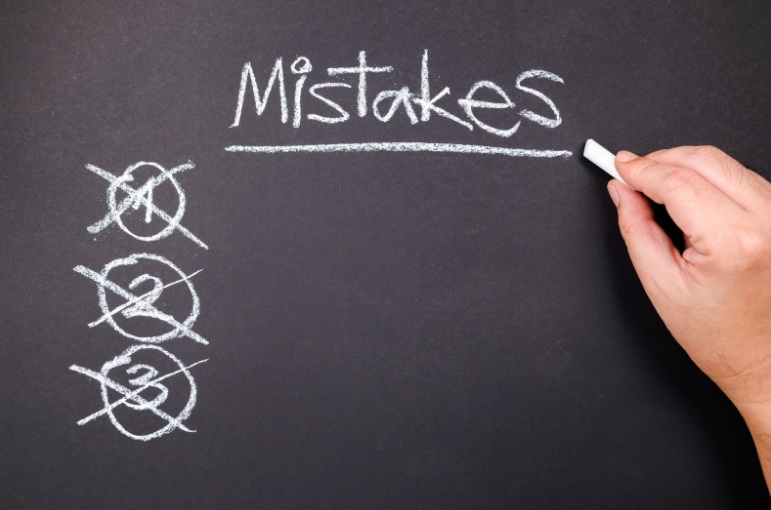
7 Most Common Job Interview Mistakes and How to Avoid Them
A job interview is a crucial step in the recruitment process that can determine your professional future. While preparing for it may seem straightforward, many candidates make mistakes that can negatively impact their chances of getting hired. Here are the 7 most common mistakes made during job interviews, along with tips on how to avoid them and increase your chances of success.
1. Lack of Preparation for the Interview
One of the biggest mistakes is insufficient preparation for the interview. Many candidates attend interviews without researching the company, its organizational culture, or the industry it operates in. This lack of knowledge makes it difficult to answer questions convincingly and demonstrate genuine interest in the role.
Mistake: Attending an interview unprepared.
Correct: Before the interview, thoroughly research the company, its products, values, and the responsibilities of the position you’re applying for.
2. Unclear or Uncertain Answers About Work Experience
Recruiters often start the interview by asking about your work experience. If you struggle to clearly and confidently talk about your previous roles, achievements, and skills, it may give the impression that you lack engagement or expertise in the field.
Mistake: Hesitating or providing vague answers about work experience.
Correct: Prepare concise, coherent responses that highlight your accomplishments and experiences relevant to the role.
3. Overconfidence
Confidence is certainly welcome in an interview, but overconfidence can come across as arrogance. Candidates who hastily declare themselves the perfect choice for a role may be perceived as lacking teamwork skills or having an ego-centric approach to work.
Mistake: Being overly confident or arrogant.
Correct: Demonstrate confidence naturally, but balance it with humility and a willingness to learn.
4. Failing to Ask Questions
Asking questions during the interview shows your interest and engagement. Candidates who don’t ask any questions at the end of the interview may appear disinterested. Good questions demonstrate your awareness of the job requirements and your eagerness to learn more about the team and company.
Mistake: Not asking questions or asking irrelevant ones.
Correct: Prepare thoughtful questions about the company, team, or challenges the role entails.
5. Arriving Late to the Interview
First impressions are critical. Arriving late, even by a few minutes, can be seen as disrespectful to the recruiter and indicate poor punctuality or organization. Allow yourself plenty of time to arrive at the interview on time.
Mistake: Being late for the interview.
Correct: Plan your travel time to ensure you arrive on time or a few minutes early.
6. Misunderstanding Questions
Sometimes candidates respond to questions without fully understanding them, which can lead to irrelevant or off-topic answers. Stress and pressure often cause candidates to answer impulsively rather than calmly addressing the question at hand.
Mistake: Giving answers without fully understanding the question.
Correct: If you don’t understand a question, ask for clarification. Provide thoughtful answers that directly address the question.
7. Speaking Negatively About Previous Employers
Speaking poorly of previous employers or colleagues is a serious mistake that can negatively affect how the recruiter perceives you. Even if you’ve had difficult experiences in the past, avoid criticizing former employers. Instead, focus on what you learned from those experiences and how they shaped your professional development.
Mistake: Criticizing previous employers or colleagues.
Correct: Emphasize the positive aspects of past experiences and how they contributed to your professional growth.
Conclusion
A job interview is not only an opportunity to showcase your skills and experience but also a chance to demonstrate professionalism and the right attitude. Avoiding these common mistakes will help you make a positive impression on the recruiter and increase your chances of landing your dream job. Remember, every detail matters, so take the time to prepare thoroughly to make the most of every opportunity for success.

For the employer
Headhunting
Specialist Recruitment
Executive Search
Specialist Outsourcing in Poland
Temporary Staffing in Poland
HR Consulting Poland
Sales Training in Poland
We have the KRAZ certificate
Registration number: 33640
© 2025 BERRY HR
website support: SEBprojekt.pl