
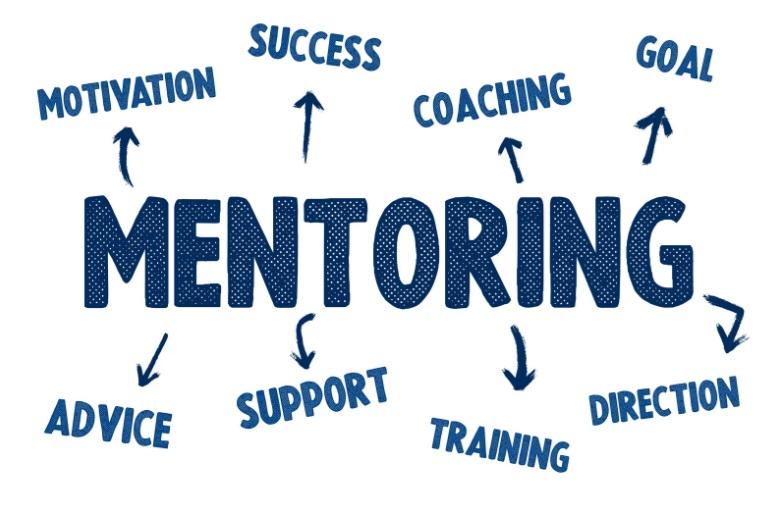
Professional Mentoring – Definition and Benefits of Its Implementation
In today’s rapidly changing business world, organizations are constantly looking for ways to develop their employees and optimize performance. One of the most effective tools that has gained popularity in many companies is mentoring. Although this concept may be known in various industries, its full implementation in the workplace can bring invaluable benefits. Let’s explore what mentoring at work is and why it’s worth introducing in organizations.
What is Workplace Mentoring?
Mentoring is a professional development process in which a more experienced employee (the mentor) shares their knowledge, experience, and skills with a less experienced employee (the mentee). The goal of mentoring is not only to support the development of professional skills but also to provide valuable guidance that aids in personal growth and better alignment with the company’s requirements.
Mentoring can take various forms, including regular meetings, advisory sessions, joint problem-solving, or discussions on professional challenges. It is a process based on trust and openness that develops within a long-term professional relationship.
Benefits of Mentoring at Work
- Faster Adaptation for New Employees
For new team members, mentoring is an excellent opportunity to quickly integrate into the company’s culture, understand the specifics of the work, and acquire the practical skills necessary to perform daily tasks. - Enhancing Professional Competencies
Mentors share their knowledge and experience, allowing mentees to learn from the best in the industry. As a result, the younger employee can achieve their professional goals more quickly and gain valuable skills that are crucial for the role. - Building Strong Professional Relationships
Mentoring creates opportunities for establishing strong professional bonds that benefit both the mentor and the mentee. A collaboration based on trust and support builds an atmosphere of loyalty and commitment within the company. - Increasing Motivation and Engagement
People who have a mentor’s support often feel more appreciated and motivated to continue developing. Employees with higher engagement tend to approach their duties with greater dedication, leading to higher effectiveness and job satisfaction. - Greater Job Satisfaction
Mentoring helps employees better cope with professional challenges and develop their talents, which enhances their satisfaction with their work. A well-conducted mentoring process has a positive impact on well-being and the sense of success at work. - Developing Leadership Competencies in the Company
Mentoring is an excellent opportunity to shape future leaders within the organization. Mentors not only transfer technical knowledge but also develop leadership skills by teaching younger employees how to manage teams, make decisions, and communicate effectively. - Increasing Employee Loyalty
Organizations that invest in the development of their employees through mentoring foster a sense of loyalty within their teams. Employees feel that the company cares about their growth, which increases their engagement and reduces turnover risk.
Best Practices for Implementing Mentoring in a Company
To make the mentoring process effective, it is important to follow a few key principles:
- Well-Matched Mentors and Mentees
It is essential that mentoring occurs between individuals who have the appropriate experience and character traits. Mentors should not only have knowledge but also interpersonal skills necessary for effectively sharing that knowledge. - Regular Meetings
Mentoring meetings should occur regularly to maintain the dynamics of the process. Regular meetings help track progress and solve problems as they arise. - Defining Goals
Both the mentor and the mentee should be clear on what they aim to achieve through mentoring. Well-established goals make mentoring more focused and effective. - Training for Mentors
To ensure mentoring is truly effective, mentors should undergo appropriate training. It is important that they possess the skills needed to effectively transfer knowledge and support the mentee’s development. - Open Communication
The mentoring process should be based on open and honest communication. Both the mentor and the mentee should feel comfortable sharing their thoughts, questions, and concerns.
Conclusion
Mentoring is one of the most effective ways to develop professional competencies at work. It helps employees quickly integrate into the company, builds strong bonds, and increases motivation to act. For mentors, it is a great opportunity to share their knowledge and develop their leadership skills. Investing in mentoring programs brings benefits both to employees and the organization, creating a solid foundation for the company’s future. Therefore, it is worth implementing mentoring in your organization to build an efficient, engaged, and loyal team.

For the employer
Headhunting
Specialist Recruitment
Executive Search
Specialist Outsourcing in Poland
Temporary Staffing in Poland
HR Consulting Poland
Sales Training in Poland
We have the KRAZ certificate
Registration number: 33640

© 2025 BERRY HR
website support: SEBprojekt.pl